




5 min read

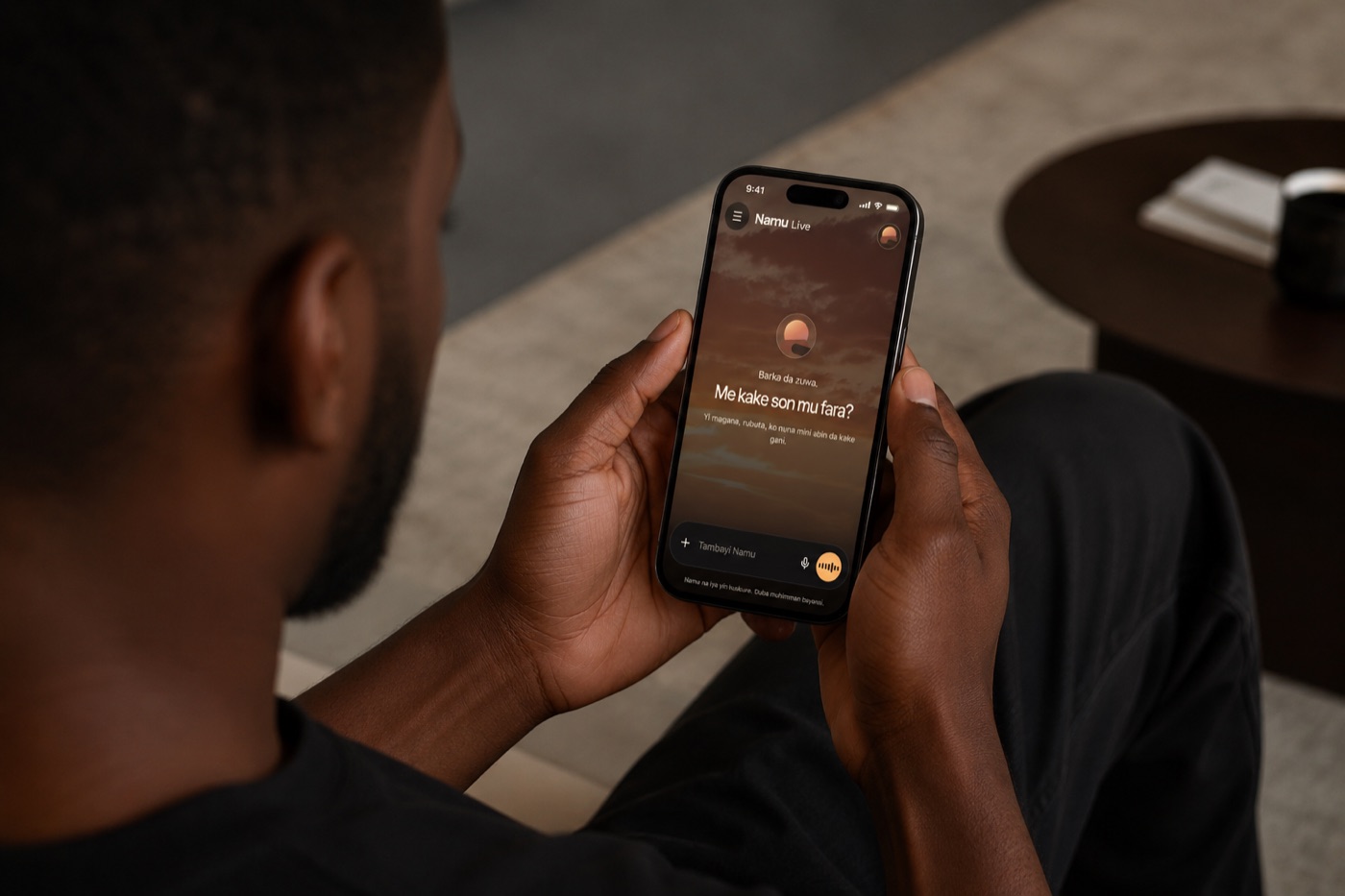
Why AI has to learn to listen to the people it was never built for, and why we started with Hausa.
A short film in Namu's colours. On a cream page, lines of text say that AI is becoming one of the most powerful tools in the world, but that for people who do not type, or who speak languages computers overlook, the digital world was never built to listen. The page turns brown and a sound wave appears: what if AI could meet people through their voice? The film shows Namu starting with Hausa, speech data built with the communities it serves, and three abilities: speech recognition, natural voice generation and language understanding. It closes in darkness on the Namu mark, over cards naming more African languages: AI should adapt to us, to our voices and our languages.



Our mission
A future where African communities can access, shape, and benefit from Artificial Intelligence in the languages they speak and the realities they live.
We build technology that people can use naturally, regardless of their language, literacy level, location, or device.
We're a small, ambitious team of researchers, engineers, and builders working to make AI accessible to African communities.
You'll work on hard problems in speech, language, data, and product, and help reach millions of people the AI revolution has left out.
If our mission speaks to you, we'd love to hear from you.
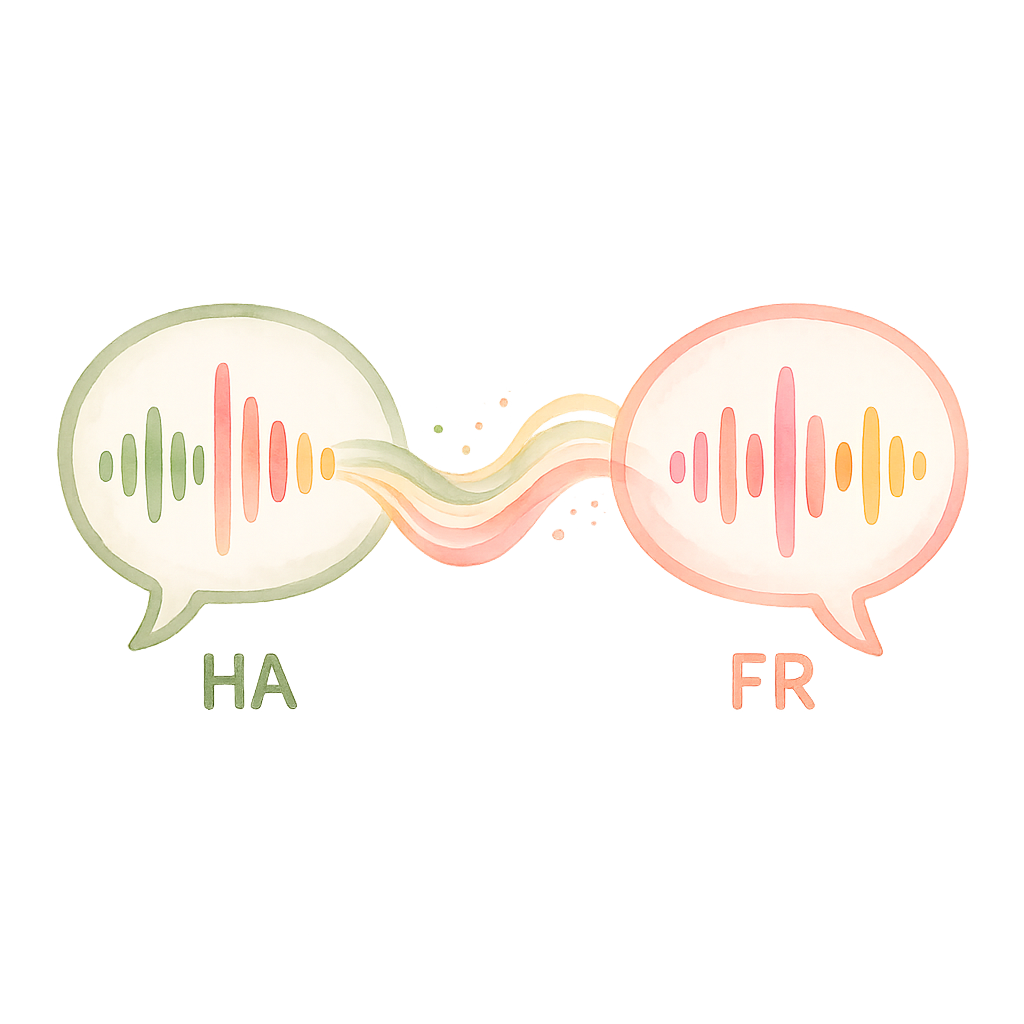
Depth before breadth. One language done properly, then the next.

One of Africa's largest language communities, spoken across northern Nigeria and Niger, and the language our founders grew up speaking. This is where the foundation gets built.
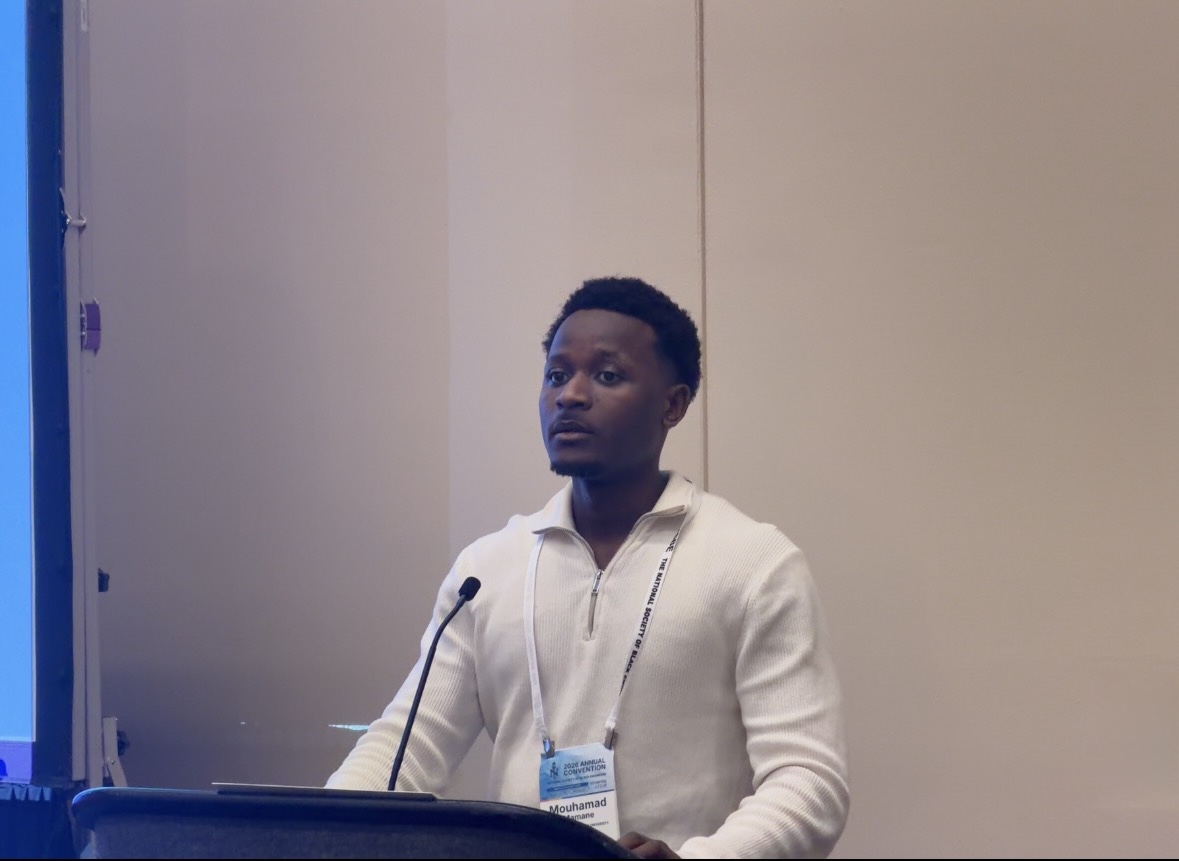
Technology has the power to change lives, but only if people can truly access it. At Namu, we are building systems that meet people in their own language and context, so opportunity is no longer limited by where someone comes from.